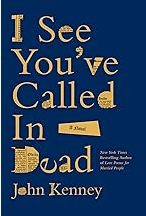
I See You’ve Called In Dead is a contemporary dark comedy fiction by John Kenney. It follows Bud Stanley, an obituary writer, who accidentally publishes his own obituary in drunk state after he had a divorce and a bad blind date. When the company wants to fire him, he finds out that he is listed as dead. Thi
The author explores themes of purpose, grief, identity and growth with humor and honesty. Bud Stanley is listed dead in a phone call by mistake and this causes him to start to question the direction and meaning to his life. The novel suggests that people often don’t appreciate life until they are forced to face their own mortality. Bud’s choice to go to the funerals of strangers speaks to his search for connection and a new way of thinking about what matters. He hears the stories of others and begins to see his own regrets, and the importance of living with purpose. Kenney’s sense of humor balances serious topics, showcasing how laughter and sadness often get paired in difficult times. The novel also suggests that it is possible to change, even after failure or disappointment, if you are willing to face the truth about themselves. Bud learns slowly that happiness is not found in running away from responsibility or in living in the past. He grows into a more honest, compassionate and emotionally open person and his relationships improve. Rather than focusing on death itself, the story suggests the reader consider how they want to spend the time they have. The funerals serve as a reminder that all lives have value, and that people shouldn’t wait until the end to appreciate meaningful relationships and experiences. Ultimately, this novel argues that facing death can inspire people to find hope again, to experience personal growth and to live more authentic and meaningful lives.
I See You’ve Called in Dead is a story about a man who learns to appreciate life only after believing it has come to an end. Through Bud’s journey, the novel emphasizes themes of self-discovery, redemption, and the importance of relationships. His experiences show that it is never too late to change, accept past mistakes, and find a new sense of purpose. Ultimately, the story reminds readers that life becomes most meaningful when it is lived with honesty and gratitude.


답글 남기기