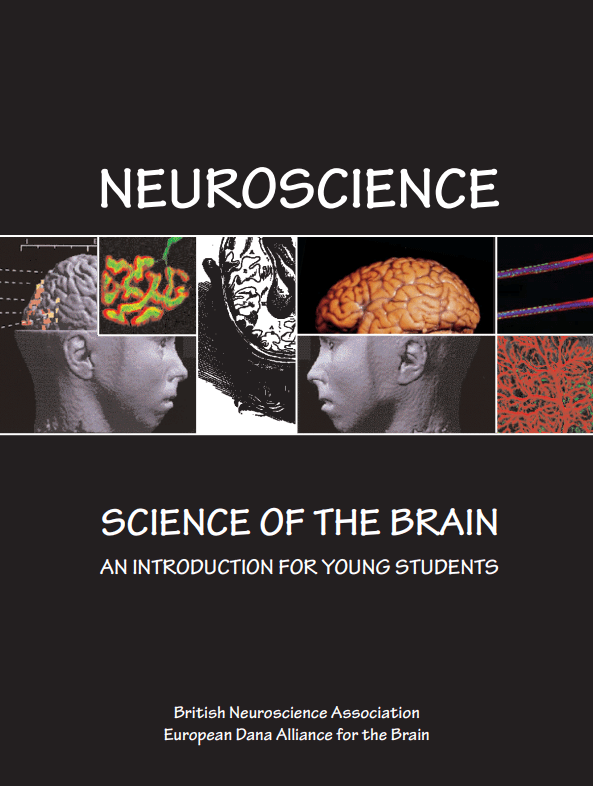
The first read of this book was interesting, as it provides scientific aspects of the phenomenons of Biological Bases of Behavior in AP Psych. It had different aspects rather than the mechanism of how information travels throughout our bodies under the control of the brain. It goes in-depth to neuroethics, brain imaging, and artificial brain and its neural connections.
One of the most piquing topic out of the nineteen subtopics of this textbook is Learning and Memory. It talks about one of the most interesting topics, aging and memory, especially the conditions involved with memory and learning, such as Alzheimer’s and Parkinson’s. It shares different therapeutic ways that memory can possibly improve, though, more research is needed for clear therapy for these conditions.
Another part that I had enjoyed learning about is stress and how cortisol, the stress chemical that brain releases. With interconnections between cortisol and different conditions and disorders, it was fascinating to see how stress is significant to our daily lives and the mechanism of how it is transferred and affects other regions of the brain.
The last topic that gained my attention is Plasticity. Since it is a crucial part of our brain, for it to adapt and change according to the environment, it was amazing to learn how it could alter their ways of communicating with synapses. Its ability to be able to recover from injury also makes it a crucial part of our existance; whenever we get in a tragic accident, it is the brain working in our bodies to help us swiftly recover, connecting it to the brain as we age.


답글 남기기