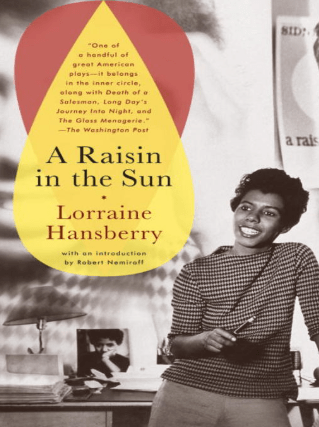
Introduction:
The Raisin in the Sun is a play written by Lorraine Hansberry, published in 1959. The play follows the black Younger family, who get a big sum of money due to grandpa’s insurance. Mama buys a new house in the neighborhood where only Whites live, but Walter disapproves of the idea and gets annoyed that the majority of the money is used for the house. At the end, Walter loses the money due to a scam that happened when he was working on making his ambition true. The author shows many themes within the play.
Analysis:
The struggle of a Black family pursuing dreams in the face of racism and poverty in 1950s Chicago is compellingly examined in Lorraine Hansberry’s A Raisin in the Sun. The conflicting desires of the Younger family represent the greater struggle between self-fulfillment and survival. Walter Lee’s desire to own a liquor store is a symbol of his desire for dignity and power in a society that consistently deprives him of both. Because he starts to associate money with value, his desperation is a reflection of the negative effects of economic oppression. Mama, on the other hand, exemplifies the traditional values of faith, family, and determination through her dream of home ownership. Her down payment on a home in a white neighborhood turns into a silent act of disapproval, demonstrating how pursuing a better life can be a form of resistance in and of itself. Beneatha defies established racial and gender stereotypes by pursuing her dream of becoming a doctor and embracing her African identity. As the play’s dreams collide, it becomes clear how internal family strife and systemic racism jeopardize harmony. Ultimately, though, the family’s choice to move into the house in spite of discrimination shows a renewed sense of pride and unity. Walter finally grows morally when he turns down Mr. Lindner’s offer to buy them out, putting his honor before wealth. The family’s postponed dreams become an act of bravery in this moment. Through the Youngers’ journey, Hansberry captures both the pain and power of hope in the face of injustice and expectations in the 1950s.
Conclusion:
A Raisin in the Sun is a play by Lorraine Hansberry, published in 1959. The play illustrates how racism, poverty, and internal conflict test the Younger family’s ambitions. The desire for dignity and hope is evident in each character’s dream of a better life, whether it be through a home, education, or business. The family discovers, in spite of challenges and disappointment, that unity and pride, rather than wealth, are the true keys to success. They reject fear by deciding to settle into their new house. Ultimately, their future is built on their strength as a family.
 Alicia kim's blog
댓글 남기기